Trends
The Trends section features a curated collection of emerging trends related to each UNESCO domain of Intangible Cultural Heritage. Each trend illustrates how emerging technologies are fostering heritage safeguarding practices, including open challenges and calls to action for ecosystem stakeholders. Related projects and scholarly articles populate each trend, enabling users to further explore its dynamics through grounded applications.
Oral Traditions and Expressions
Performing Arts
Traditional Craftsmanship (available from October 2026)
Social Practices (available from April 2027)
Knowledge about the Universe (available from October 2027)
Oral Traditions and Expressions
Spoken forms of cultural transmission that include storytelling, folktales, songs, proverbs, and rituals, passed down through generations. Closely linked to local languages and dialects, they preserve collective memory, identity, and worldviews, often in communities where oral communication is the primary mode of heritage transmission.
Emerging Trends
AI-powered Translation Technologies for Low-Resource Languages
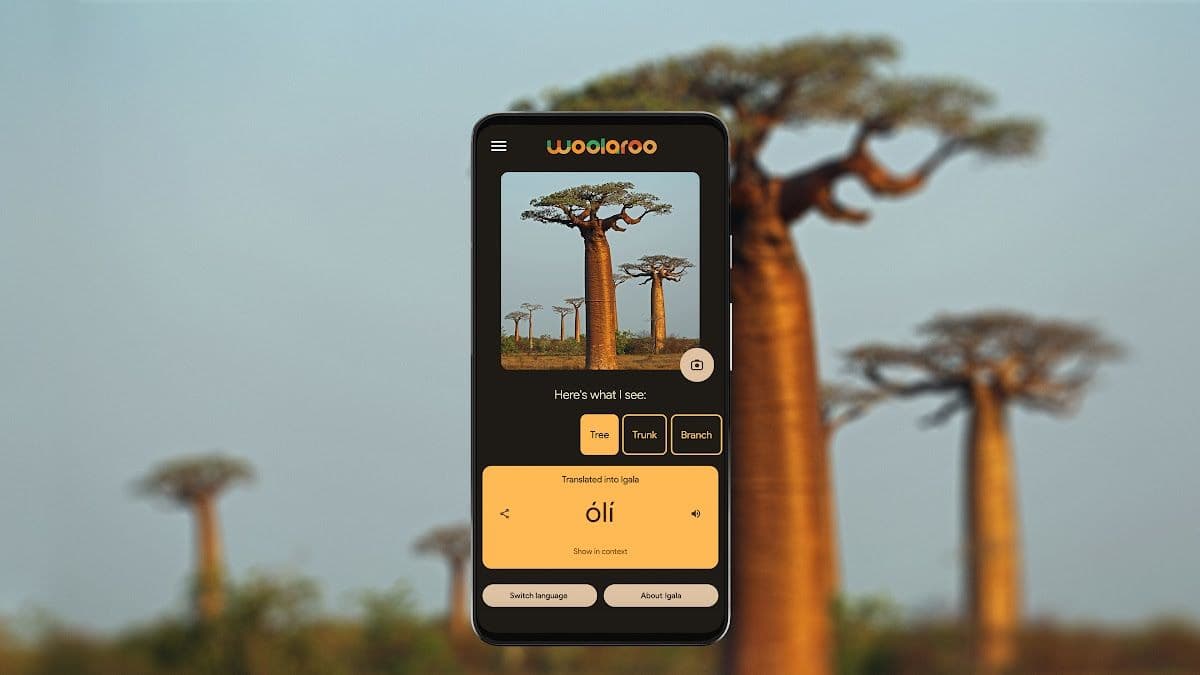
Language is the lifeblood of cultural identity, memory, and shared knowledge. As languages face accelerating endangerment worldwide, a clear emerging trend is the growing use of AI-powered translation technologies to safeguard, revitalize, and transmit oral traditions.
Oral Heritage Augmented by Digital Audio Platforms
Oral history projects and podcasts are increasingly serving as participatory spaces where heritage experts and community members can document, disseminate, and revitalize oral traditions and endangered languages, through community engagement and distributed knowledge platforms.
Capturing Archiving and Streaming Music Heritage
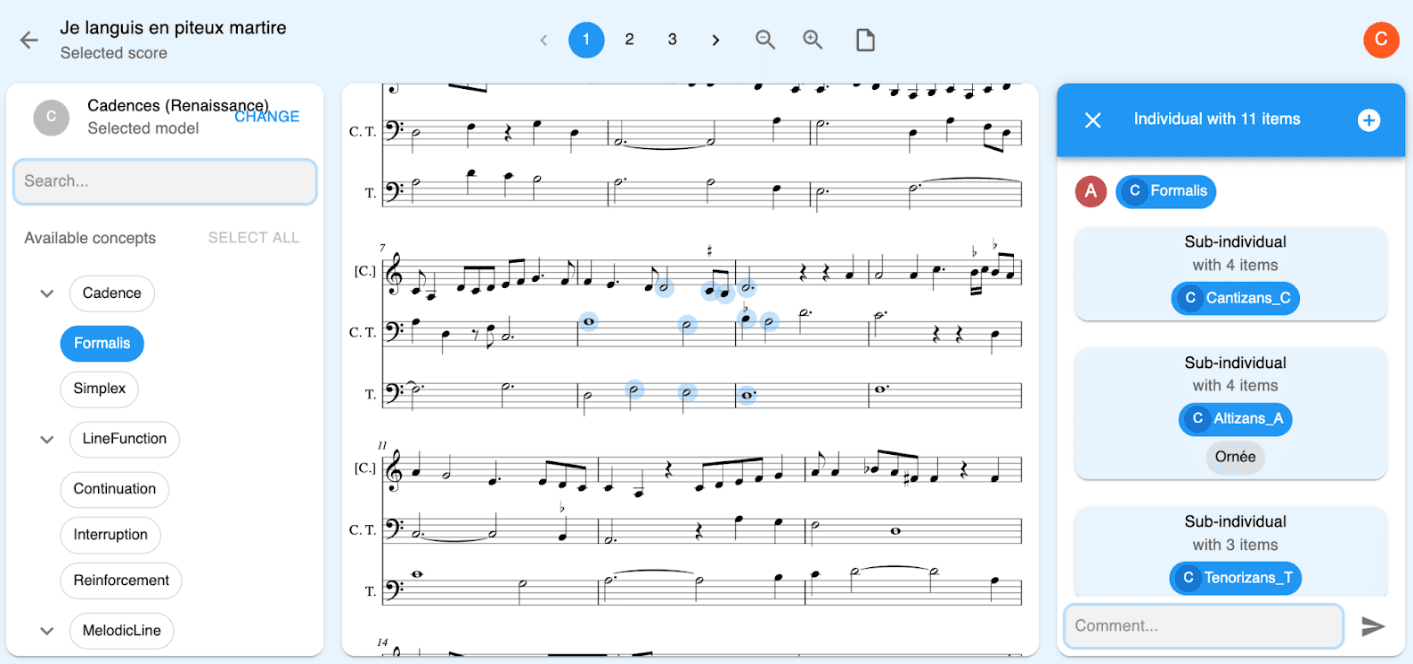
As digital technology becomes more embedded in cultural life, communities are reshaping how music is preserved, accessed, and shared. Musical heritage is moving beyond passive storage and traditional gatekeeping toward more open, participatory, and digitally supported forms of stewardship.
Learning and Experiencing Theatre and Dance Heritage through Immersive Technologies

Immersive technologies are reshaping how intangible cultural heritage is experienced, taught, and sustained within the performing arts domain. In dance, theatre, and opera, tools such as virtual reality, motion capture, holographic projection, and 3D reconstruction are creating new ways to engage with traditions that have historically relied on live, embodied transmission.
Problematizing the Digital Turn in Performing Arts

In an era where generative AI algorithms and machine learning can replicate arts and capture vast amounts of cultural data without consent, the extraction of intangible heritage can be seen as the quiet capture of intellectual property, metadata, and digital patents by foreign entities.
Subscribe to the newsletter
Stay updated on our latest research, tools, and cultural heritage insights. Subscribe to our newsletter!
By subscribing, you agree to receive communications related to the TRAMA project.
CONTACT
NEWSLETTER