Problematizing the Digital Turn in Performing Arts
KEY HIGHLIGHTS
Algorithmic bias and rigid data categorization are perpetuating cultural misrepresentation
Physical and bodily engagement remains essential to preserving traditional performing arts as a living heritage
The development of digital metadata of performing arts can create challenges to cultural sovereignty
In an era where generative AI algorithms and machine learning can replicate arts and capture vast amounts of cultural data without consent, the extraction of intangible heritage can be seen asthe quiet capture of intellectual property, metadata, and digital patents by foreign entities.
This new digital frontier presents profound challenges to authorship and sovereignty. Music, dance, and storytelling are increasingly subjected to algorithmic bias that misrepresents diverse traditions by putting them into generic categories. For instance, the social media posts specifically highlight how African music is frequently lumped into "World Music" label on global streaming platforms, whereas copyright policies may lead to lock generations of musical heritage behind corporate paywalls, as in the case of India’s current Copyright Act.
The posts illustrate critical issues surrounding AI’s role in shaping perceptions of art, music, and traditional knowledge, highlighting a concern for bias, representation, and authorship. Leveraging vast cultural databases for AI model training frequently sidelines indigenous contributions and histories, reinforcing existing inequities in data ownership and cultural representation. Key features discussed include illicit data extraction, cultural misrepresentation, the absence of proper digital identifiers such as ISRCs and ISWCs, and the monopolization of intellectual property (IP), wherein the dominant narrative is shaped mainly by a few global powers.
Compared to traditional practices, where cultural heritage was managed through traditional custodianship, the current scenario claims a necessity to establish ethical and equitable frameworks. Moreover, the trend highlights a critical view of digital integration in the performing arts, especially from ethical and community perspectives; the posts claim that encouraging physical performance enables performing arts to preserve as living structures rather than digital assets, which critically includes bodily engagement and participation, maintaining cultural memory as deeply embodied knowledge.
OPEN CHALLENGES
Insufficient collaboration
Technologists and institutions often build digital platforms or train AI models using cultural archives without the consent, credit, or active participation of the communities who actually hold the knowledge
Lack of transparency in data systems
Global tech and corporate entities frequently exploit opaque digital infrastructures to activate Content ID on traditional music, profiting from heritage while original rights-holders are left uncompensated.
Commercialization of heritage
As immersive tools like virtual reality and GenAI become more prevalent, the challenge is to harness these technologies to reactivate cultural heritage without reducing sacred practices to mere spectacle or commercial assets.
Knowledge gaps in communities
Lack of knowledge about digital rights and Intellectual Property frameworks make it difficult for communities to navigate the risks of cultural heritage exploitation.
CALLS TO ACTION
Demand the inclusion of precise digital identifiers, such as ISRCs and ISWCs, in traditional musical releases to prevent information asymmetry and ensure correct royalty distribution
Assert community intellectual property rights over traditional knowledge and cultural symbols to defend against unauthorized patenting and data extraction by global corporations
Challenge AI recommendation algorithms that categorizes traditional performing arts into generic labels, to avoid misrepresention of living heritage.
Prioritize bodily engagement and practices within community performances to support cultural memory and embodied knowledge
Key Technologies
Key Skills
ILLUSTRATIVE CASES FROM THE WEB

Lutsaga by Baobab Studios
Sonic archive project aiming to preserve Mijikenda music with respect, fairness, and community ownership

JosPlay
A platform providing digital music library of African Music to bridge information gaps to empower creators to fully participate in the digital economy.

Ekalakaar
The first app in India that links traditional performers to real work and equitable compensation.
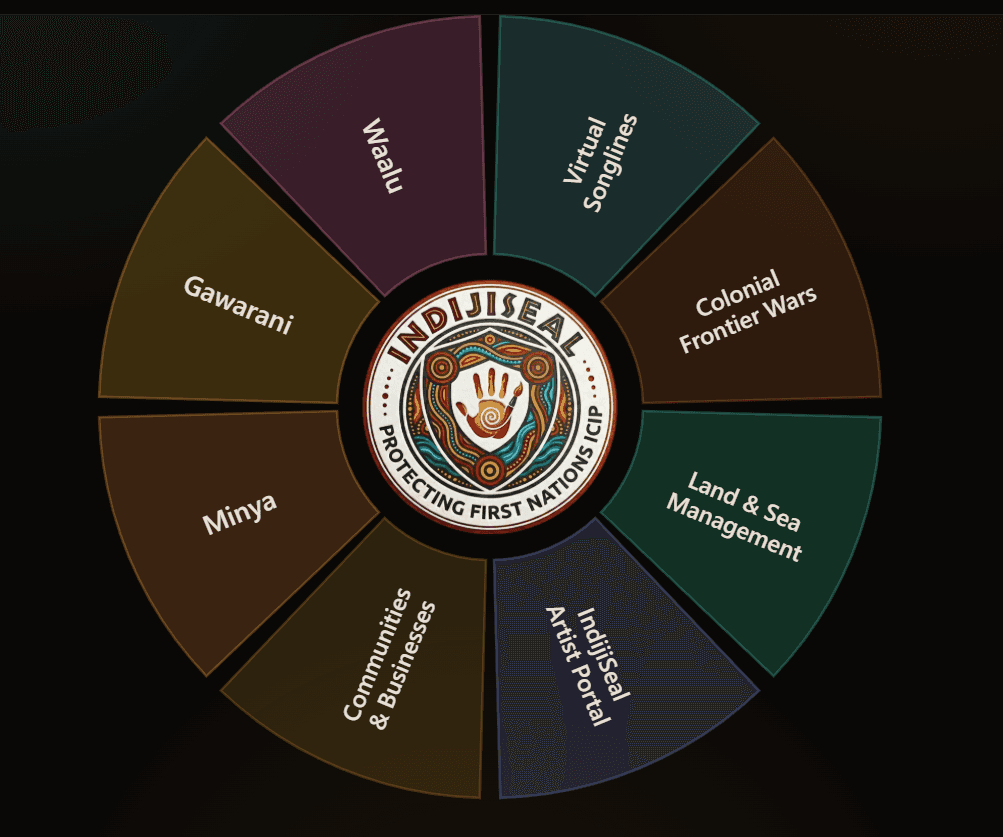
IndijiSeal
A virtual reality mapping platform that uses game technology to bring pre-colonial Australian landscapes, traditional dance sites, and First Nations songlines to life through immersive storytelling.
RESEARCH
2025
The Transformative Role of Artificial Intelligence in Enhancing Transparency and Efficiency in Music Royalty Distribution in Kenya
M. J. Ndongo, A. K. Kirui
Journal of Visual and Performing Arts
2025
The Art of Opera Design in the Context of the Digital Turn: Culture, Technology, Ethics
D. Zholdak
International Journal on Culture, History, and Religion
2023
The Problem of Introduction of Digital Technologies in the Performing Arts
T. Sovhyra, I. Ivashchenko, V. Strelchuk, K. Pyvovarova, A. Tykhomyrov
ACM Journal on Computing and Cultural Heritage
2019
Ethnomusicologists, Archives, Professional Organizations, and the Shifting Ethics of Intellectual Property
A. Seeger
Yearbook for Traditional Music
Subscribe to the newsletter
Stay updated on our latest research, tools, and cultural heritage insights. Subscribe to our newsletter!
By subscribing, you agree to receive communications related to the TRAMA project.
CONTACT
NEWSLETTER