Capturing Archiving and Streaming Music Heritage
KEY HIGHLIGHTS
Musical heritage preservation is becoming more participatory and digitally enabled.
AI and digital tools are expanding access, restoration, and discoverability.
Streaming platforms are becoming key infrastructure for cultural circulation.
As digital technology becomes more embedded in cultural life, communities are reshaping how music is preserved, accessed, and shared. Musical heritage is moving beyond passive storage and traditional gatekeeping toward more open, participatory, and digitally supported forms of stewardship.
Social media discussions reflect a practical view of digitization: a way to document fragile forms, widen access, and sustain cultural memory across distance and time. Tools such as artificial intelligence, OCR, image analysis, and large language models are being used to reconstruct damaged sound materials, organize fragmented records, and make collections more navigable for different audiences. Digital libraries and online repositories are expanding the reach of musical heritage beyond local institutions, while also creating new expectations around accessibility, discoverability, and inclusion. Podcasts and live streaming are creating new points of access to music heritage for wider audiences. Preservation is increasingly understood as an ongoing cultural process shaped by communities, researchers, artists, and diasporic audiences.
This shift is visible in projects such as the Panchathurya Kontakt Library, which virtually reconstructs instruments, and in broader initiatives that combine audio restoration, auralization, archival digitization, and public dissemination. These efforts show a wider move toward making sonic heritage accessible and usable within contemporary cultural practice. Their value lies in supporting continuity and helping traditions remain available, interpretable, and relevant within changing cultural environments.
A further signal is the growing role of global and local streaming platforms in shaping how musical heritage circulates. Local streaming platforms like Mongolia’s Sonsy and Uttarakhand’s OHO Radio are projecting regional sounds to global diaspora communities, and local services like Finland’s Ruutu are actively importing premium global content to enrich local cultural landscapes. This localized approach reveals opportunities to craft interfaces that facilitate cultural exchange and artist visibility, fostering community investment in cultural products. Simultaneously, mainstream streaming platforms like YouTube and Spotify potentially support local native-language storytelling visibility by enabling their global circulation. These channels form a wider cultural infrastructure through which musical heritage can be documented, circulated, and reinterpreted across geographies.
As this trend develops, the digitization of musical heritage will likely continue to move away from purely archival preservation and toward more active forms of cultural transmission.
OPEN CHALLENGES
Maintaining Cultural Relevance
While heritage can create sustainable income streams, it often faces the risk of becoming merely a consumable commodity tailored for foreign audiences or global media giants rather than serving the local community
Addressing Bias in Digital Archives
Massive global music databases and historical records often reflect colonialist legacies, leaving significant gaps in the documentation of indigenous, non-Western musical sources.
Restrictive Copyright Barriers
Outdated copyright laws keep historical, mid-20th-century cultural music locked behind lengthy paywalls. This can legally prevent educators, independent musicians, and national archives from freely digitising, teaching, and sharing their own nation's sonic legacy.
Contrasting Unauthorized Cultural Extraction
Cultural extraction frequently occurs through algorithms and digital monopolies, with massive tech firms training artificial intelligence models on open cultural archives and might integrate indigenous data without proper community consent.
CALLS TO ACTION
Engage community members in the digitization process, ensuring their perspectives and narratives are integral to the digital archive.
Establish guidelines for the use of AI in music heritage to ensure that traditional knowledge is represented accurately and respectfully.
Utilize streaming platforms both to showcase performances and to stimulate discussions around the significance of musical heritage.
Develop community-led metadata frameworks and adopting global standards, such as DDEX, ISRCs, and ISWCs, to ensure digital identifiers accurately reflect indigenous ownership and guarantee equitable royalty distribution.
Key Technologies
Key Skills
ILLUSTRATIVE CASES FROM THE WEB
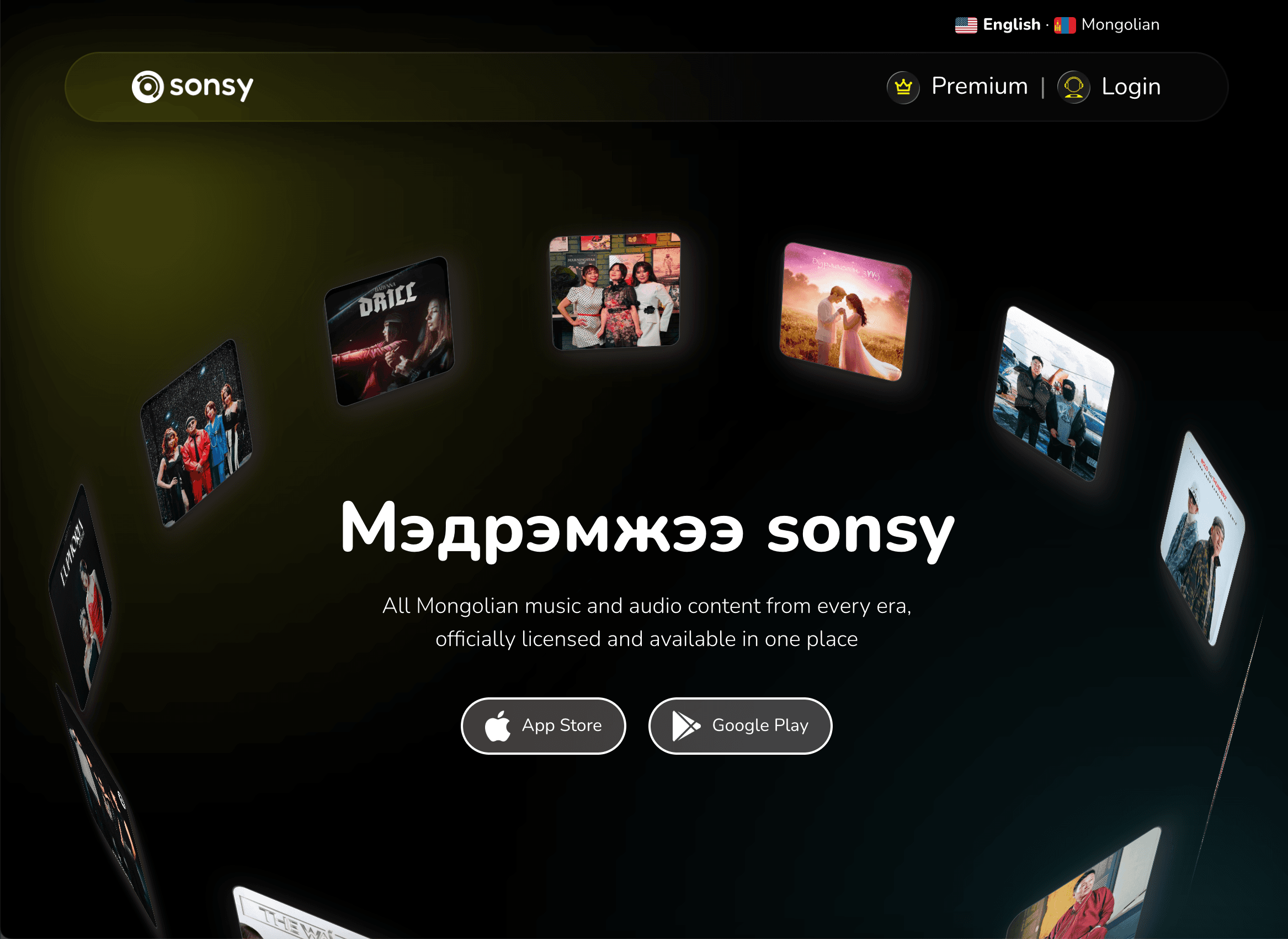
Sonsy
Mongolia's Premier Music Streaming Service
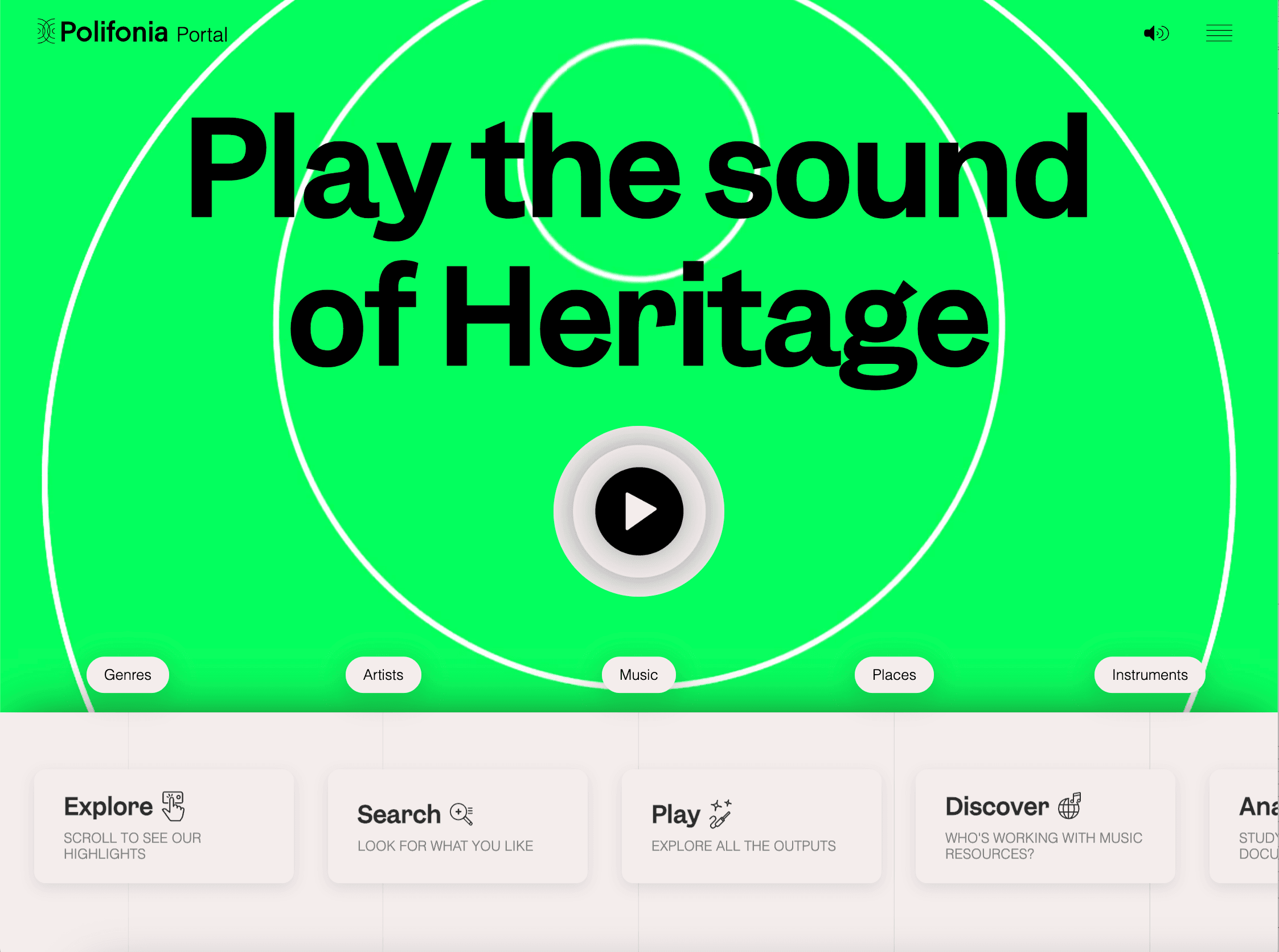
Polifonia
A database for Eropean musical heritage using modern data processing and machine learning tools
Tonalities
Tools for the modal-tonal identification, exploration and classification of monophonic and polyphonic notated music from the Renaissance to the twentieth century
BNE Digital
The platform for accessing the digital heritage of the National Library of Spain.
The Répertoire International des Sources Musicales (RISM)
Global organization documents musical sources worldwide including manuscripts, printed music editions, writings on music theory, and libretti that are found in libraries, archives, churches, schools, and private collections
Subscribe to the newsletter
Stay updated on our latest research, tools, and cultural heritage insights. Subscribe to our newsletter!
By subscribing, you agree to receive communications related to the TRAMA project.
CONTACT
NEWSLETTER