ADLaM
The ADLaM Project aims to preserve the Fulani language (Pulaar/Fulfulde) through enhancing usability across digital devices of its unique script, developed in the late 1980s by Ibrahima and Abdoulaye Barry in Guinea, to address the historical lack of a standardized script for Fulani.
In collaboration with Microsoft, the ADLaM alphabet was modernized, optimized for digital devices, made open-source, and integrated into Microsoft 365, Windows, and Google Fonts, expanding its reach and educational impact. Since 2023, it has been used over 2.18 million times and featured on 29,700+ websites. Educational initiatives led to 30,000 new learners and schools in five countries.
A project by Ibrahima and Abdoulaye Barry, Fulani researchers and community, Microsoft, Typeface Designers (Neil Patel, Mark Jamra, and Andrew Footit), McCann New York.
ICH Domains
Fruition Outputs
The categories and data associated with each case were compiled through desk research and analysis of publicly available information related to the project. If you are a project owner and wish to update, complete, or correct the data, please contact us at info@ichatlas.com.
Similar Projects
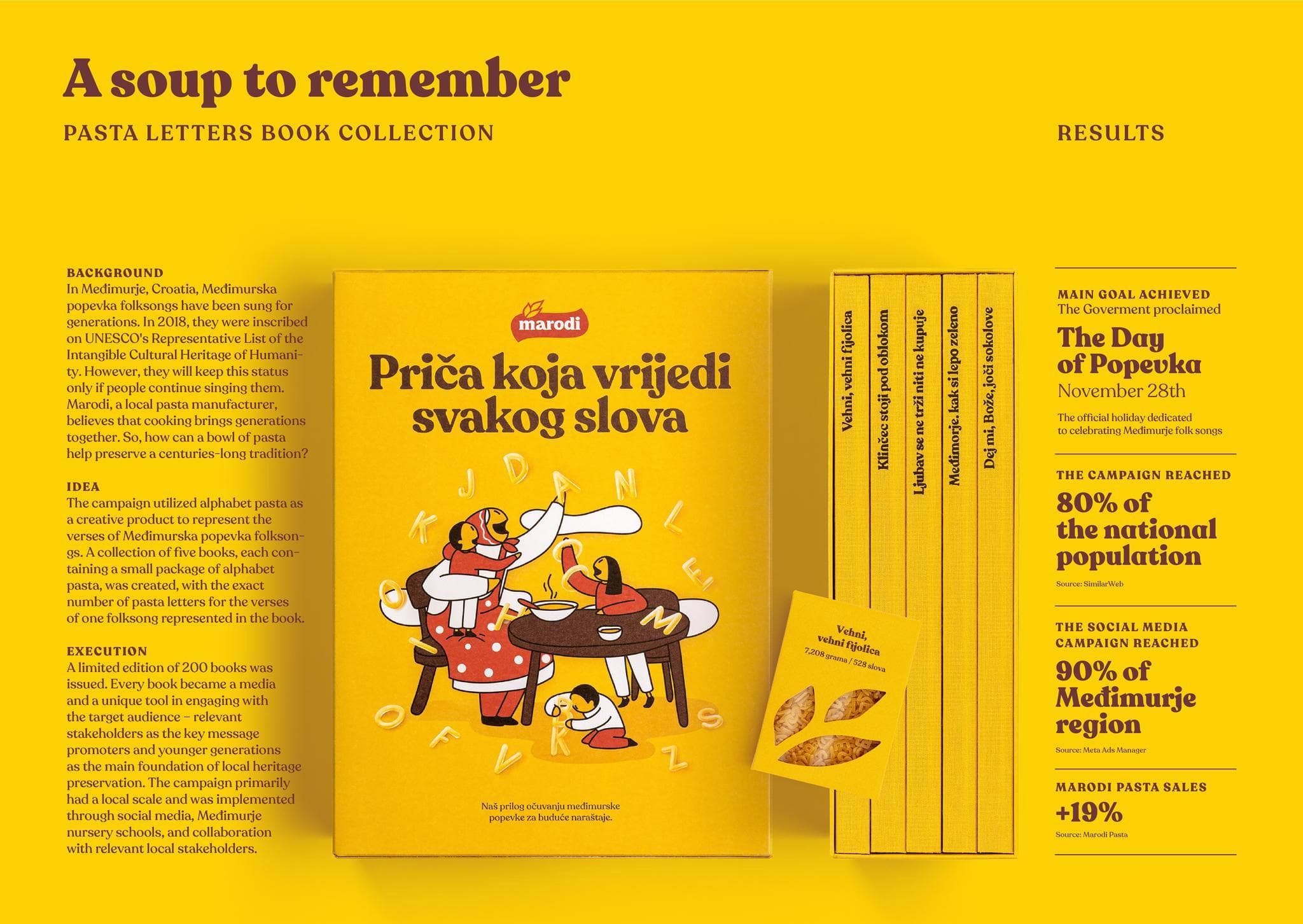
A soup to remember
Digital campaign
Oral traditions and expressions, Performing arts
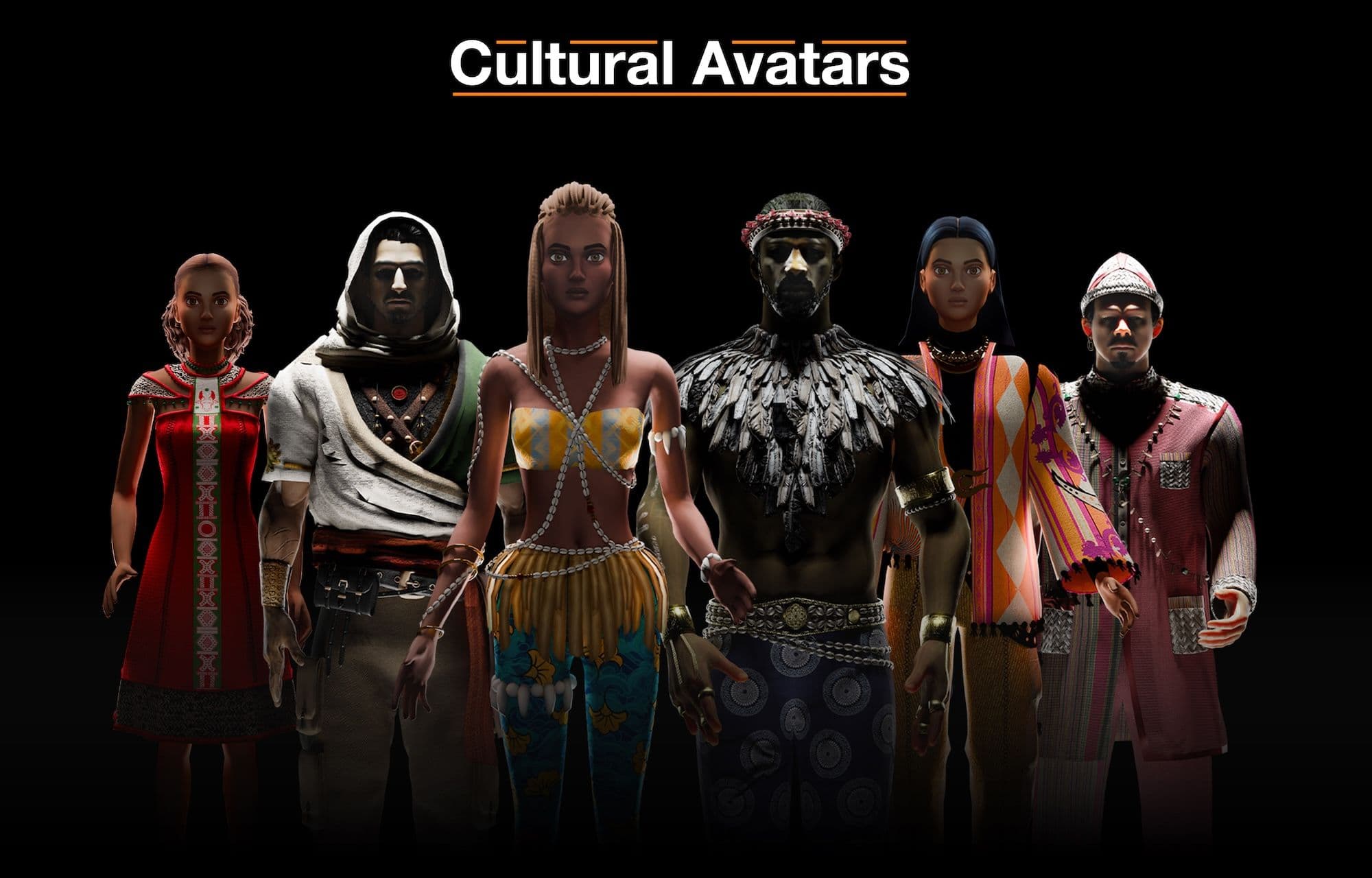
Cultural Avatars
ICH-inspired artefact
Traditional craftsmanship
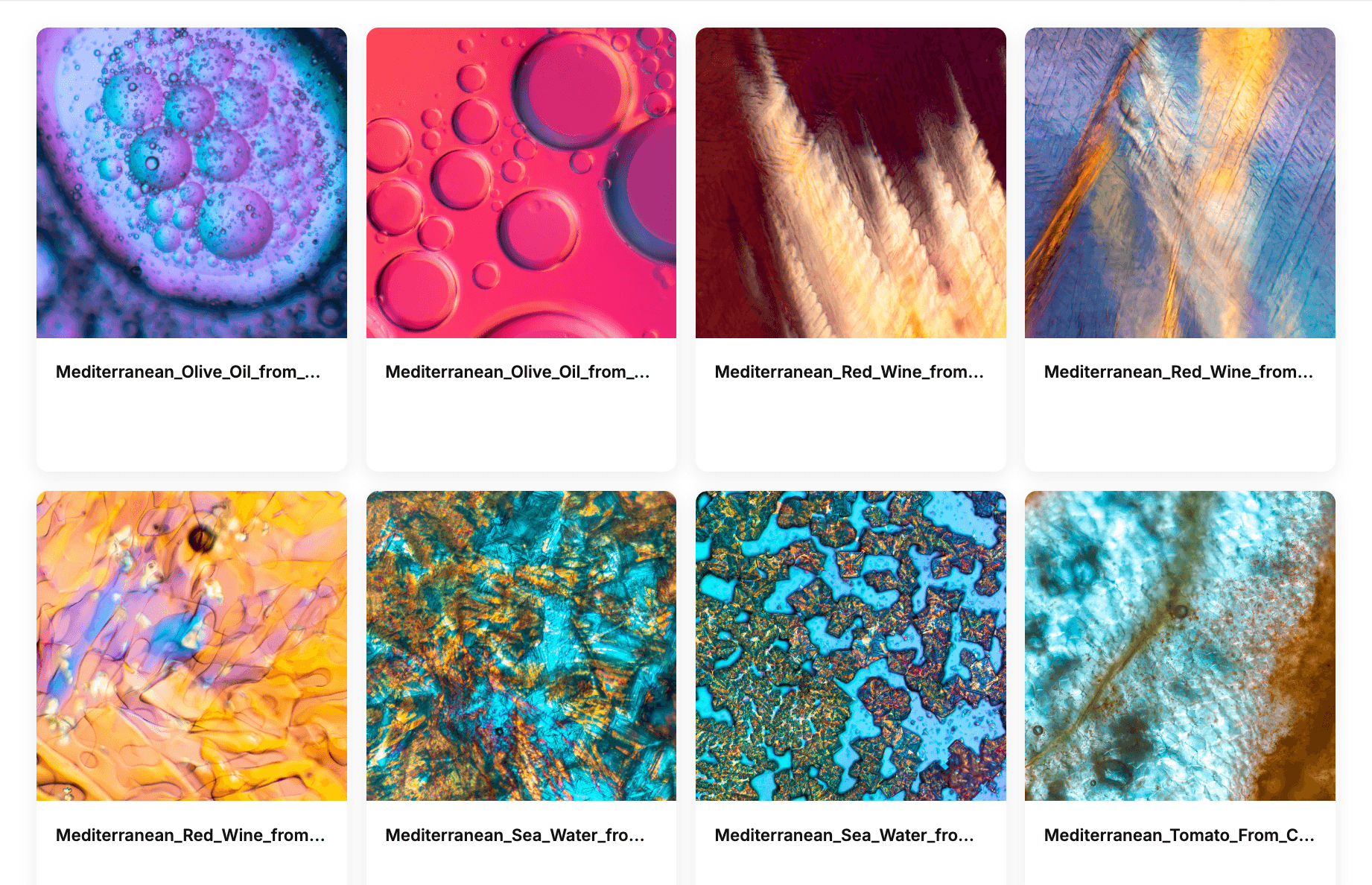
No Food Tomorrow - Eucarestia
Dedicated physical events
Knowledge and practices concerning nature and the universe
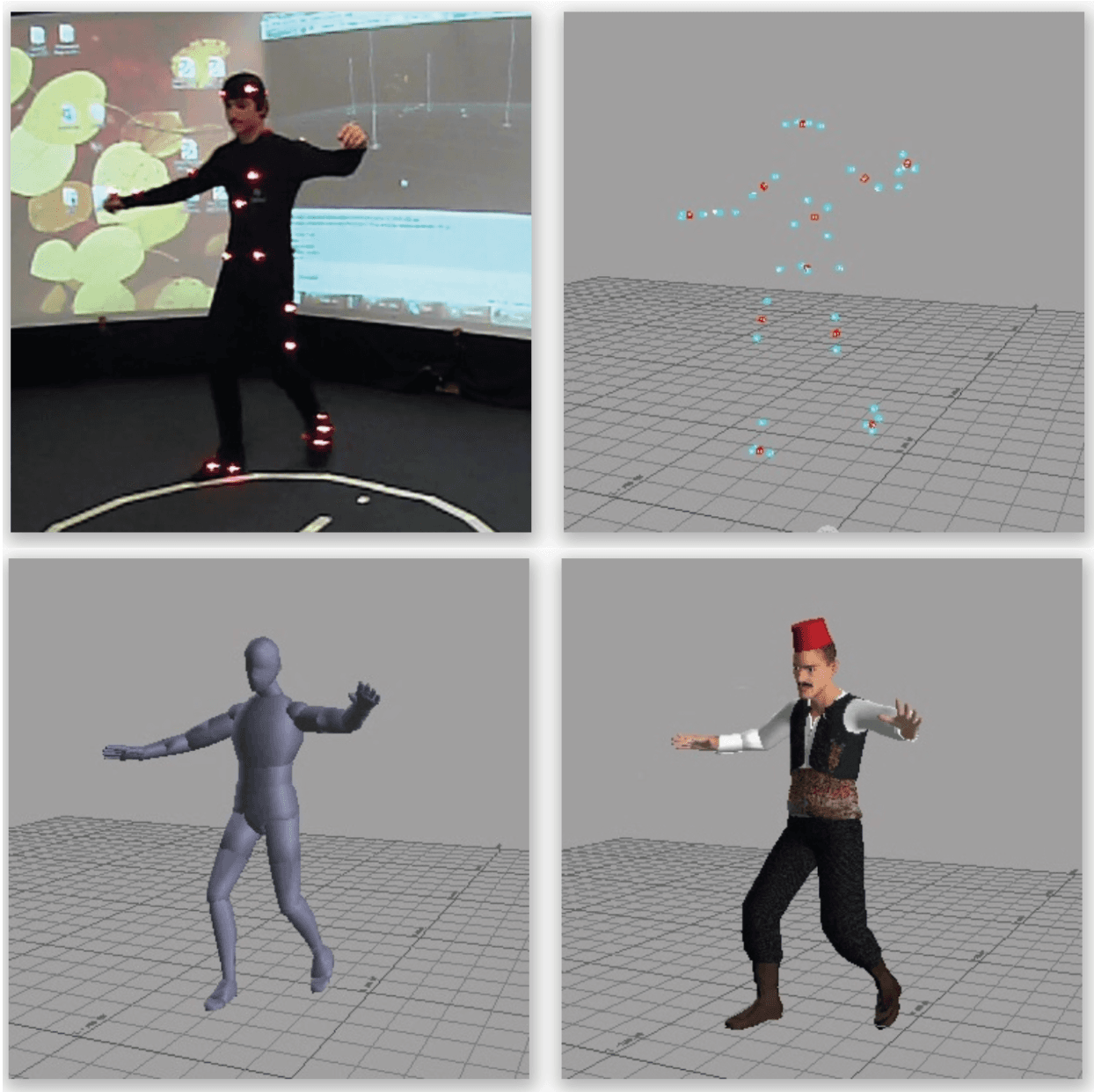
Virtual Dance Museum
Virtual museum
Social practices, rituals and festive events, Performing arts
Subscribe to the newsletter
Stay updated on our latest research, tools, and cultural heritage insights. Subscribe to our newsletter!
By subscribing, you agree to receive communications related to the TRAMA project.
CONTACT
NEWSLETTER